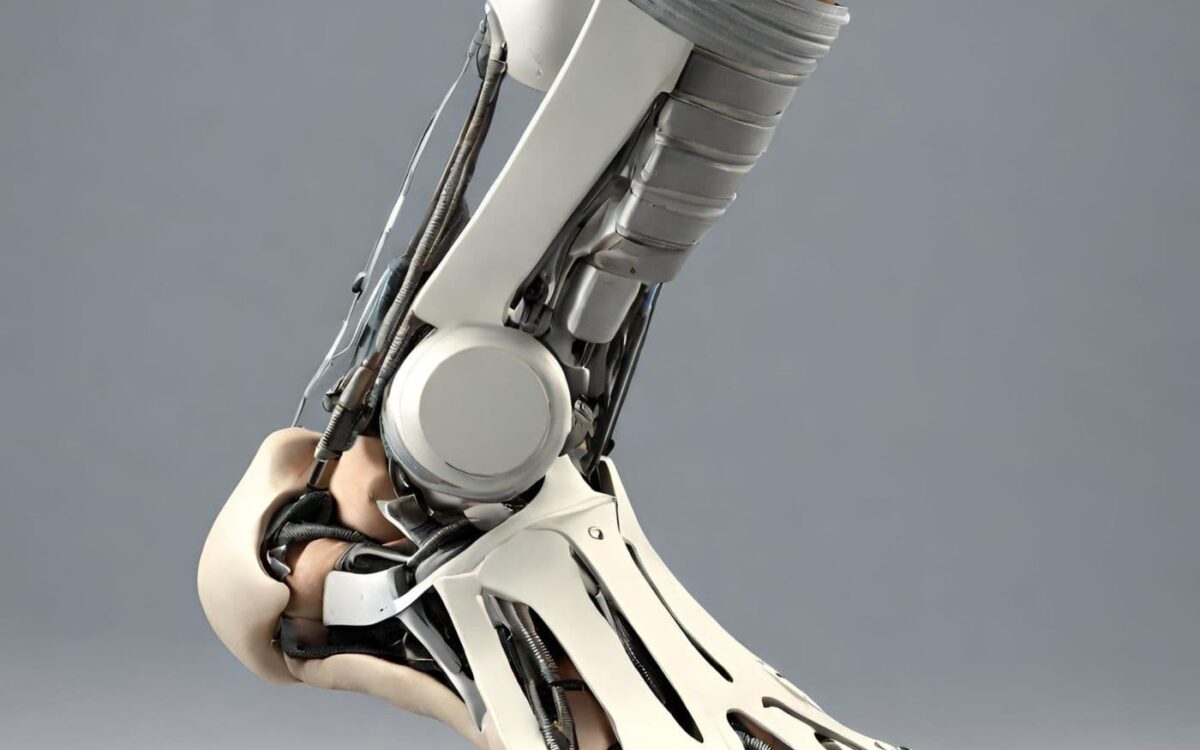
Introduction
Imagine the thrill of the open field, the wind whipping through your hair as you push your limits. Or the camaraderie of teammates, the shared effort building towards a common goal. For many amputees, these experiences may feel like distant memories due to the limitations of traditional prosthetics. However, the field of prosthetics is constantly evolving, and a new generation of technology is empowering individuals to reclaim their active lifestyles: athletic prosthetics.
These specialized prosthetics are designed to meet the demanding requirements of various athletic pursuits, from running and swimming to cycling and rock climbing. With their advanced features and innovative materials, athletic prosthetics offer individuals the opportunity to rediscover the joy of movement and push their physical boundaries.
What are Athletic Prosthetics?
Unlike traditional prosthetics primarily designed for daily activities and basic mobility, athletic prosthetics are specifically engineered for the rigors of athletic participation. They are built with lightweight, high-strength materials to provide exceptional durability and support the forces encountered during various sports and exercises.
These prosthetics come in various types, each catering to specific activities and amputation levels. For instance, blade prosthetics are commonly used for running and jumping, featuring a curved carbon fiber foot that mimics the dynamic movement of a biological ankle. Prosthetic arms designed for activities like rock climbing or weightlifting incorporate innovative features like multi-grip options and enhanced stability.
Athletic prosthetics are not just about mimicking physical form; they are equipped with advanced technology to enhance functionality and performance. Microprocessor-controlled knees can adjust to different terrains and activities, providing optimal stability and support. Customizable socket designs ensure a secure and comfortable fit, allowing for efficient power transfer and minimizing the risk of injury.
Benefits of Athletic Prosthetics for Active Individuals
Regaining an active lifestyle through athletic prosthetics offers a multitude of benefits that extend far beyond the physical realm.
Physical Benefits:
- Improved Mobility and Flexibility: Athletic prosthetics allow individuals to engage in activities that may have been previously impossible, leading to increased range of motion, flexibility, and overall physical well-being.
- Enhanced Strength and Stamina: Participating in regular physical activity with a properly fitted prosthetic can improve muscle strength, cardiovascular health, and overall endurance.
- Reduced Pain and Discomfort: Advanced features like shock-absorbing components and customizable sockets can minimize pain and discomfort often associated with traditional prosthetics during physical activity.
Mental and Emotional Benefits:
- Increased Confidence and Self-Esteem: Overcoming physical challenges and participating in activities once thought unattainable can significantly boost confidence and self-esteem, fostering a sense of empowerment and personal accomplishment.
- Improved Mental Health: Engaging in physical activity has been proven to reduce stress, anxiety, and depression, contributing to an overall sense of well-being and mental clarity.
- Social Connection and Belonging: Participating in sports and fitness activities provides opportunities for social interaction and connection with others who share similar interests, fostering a sense of belonging and community.
By offering a path to regaining physical capabilities and fostering mental well-being, athletic prosthetics empower individuals to embrace an active lifestyle and experience the joy of movement, competition, and social connection.
Choosing the Right Athletic Prosthetic
Selecting the right athletic prosthetic is crucial for maximizing functionality, performance, and safety. This personalized process requires the expertise of a qualified prosthetist, who will conduct a comprehensive assessment and guide you through the various options available.
Factors to Consider:
- Amputation Level: The type of prosthetic needed will depend on the level of amputation (e.g., above-knee, below-knee, transradial).
- Activity Level: Different activities require specific features and functionalities. Discuss your desired activities with your prosthetist to ensure the chosen prosthetic can meet your needs.
- Desired Functionality: Consider specific needs like stability, flexibility, energy return, and customization options to optimize performance for your chosen activities.
- Technology Integration: Explore the potential benefits of advanced features like microprocessor-controlled knees, adjustable sockets, and sensor technology, depending on your goals and budget.
The Role of Customization:
Advanced athletic prosthetics often incorporate customization to achieve a perfect fit and optimal performance. This may involve tailoring the socket design to your specific anatomy, selecting appropriate components like feet or knees based on your needs, and adjusting settings on microprocessor-controlled devices.
Training and Rehabilitation
Unlocking the full potential of your athletic prosthetic requires dedication to proper training and rehabilitation. This process is crucial for learning how to safely and effectively use your below elbow prosthesis, maximizing its functionality and minimizing the risk of injury.
Components of Training:
- Strength Conditioning: Building muscle strength, particularly in the core and remaining leg, is essential for maintaining balance, stability, and power transfer during activities.
- Balance Exercises: Specific exercises can improve proprioception (body awareness) and balance, allowing for confident navigation of different terrains and movements.
- Activity-Specific Training: Working with a qualified professional like a physical therapist or certified athletic trainer can help you develop the specific skills and techniques needed for your chosen activities.
Importance of Guidance:
Seeking guidance from qualified professionals is crucial for designing a safe and effective training program tailored to your individual needs and fitness level. They can provide personalized instruction, monitor your progress, and adjust the program as needed to ensure optimal results and minimize the risk of complications.
Conclusion
The world of athletic prosthetics offers a powerful testament to the advancements in technology and the dedication of professionals in the field. These specialized devices empower individuals to redefine their limitations, rediscover the joy of movement, and experience the thrill of pushing their physical boundaries.
Whether you dream of conquering the open road, dominating the track, or scaling new heights, athletic prosthetics can pave the way for an active and fulfilling life. By taking the first step towards consulting a qualified prosthetist, exploring the available options, and committing to training and rehabilitation, you can embark on a journey of rediscovering your strength, resilience, and boundless potential.