Introduction
Imagine the simple act of holding a tennis racket, strumming a guitar, or tending to your garden these everyday activities can become significant challenges for individuals facing partial hand loss. The limitations extend beyond daily tasks, potentially impacting hobbies, sports participation, and the overall ability to embrace an active lifestyle. However, advancements in prosthetic technology offer a beacon of hope, with partial hand prosthesis emerging as a powerful tool for regaining function, independence, and the freedom to pursue an active life. These innovative devices empower individuals to reach beyond limitations and redefine what it means to live a fulfilling life.
Regaining Control: The Role of Partial Hand Prosthetics
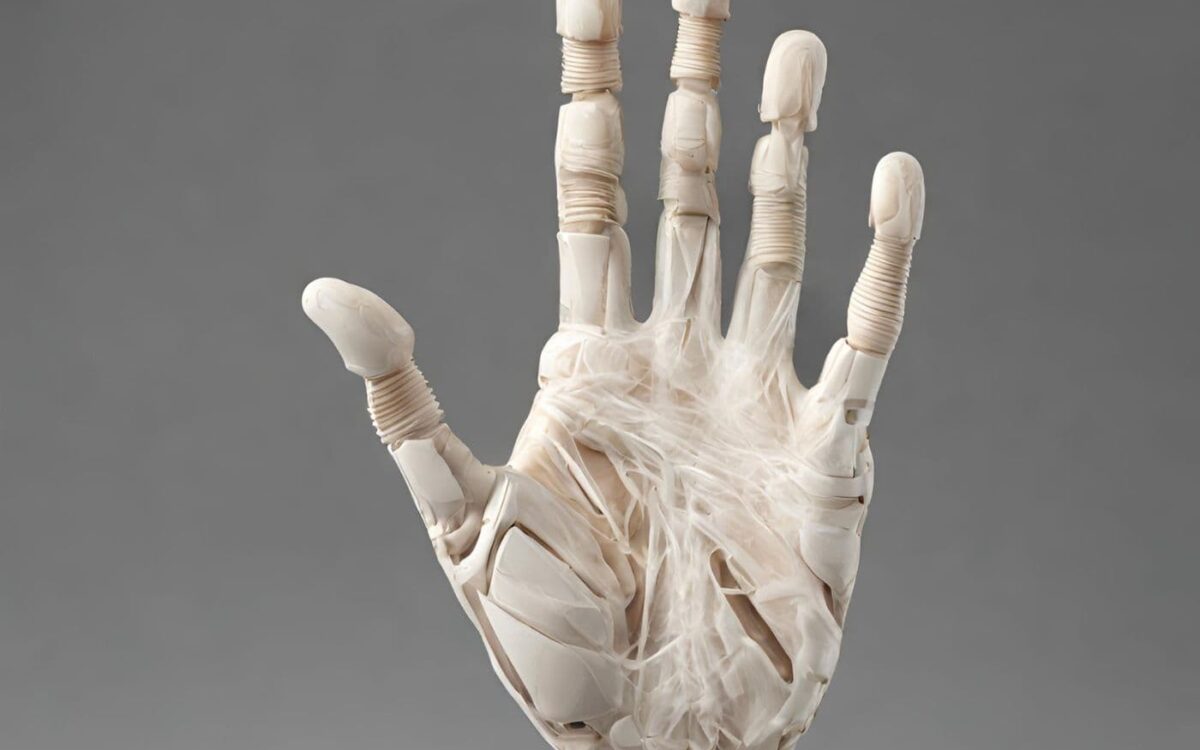
Partial hand prosthetics, also known as upper limb prostheses, are designed to replace missing fingers, parts of the hand, or even the entire hand while preserving the remaining wrist and arm. These advancements come in various forms, each catering to specific needs and functionalities:
- Body-powered prosthetics: These prosthetics utilize the user’s body movements, typically harnessing the power generated by the shoulder or chest, to control the prosthetic hand. They are known for their simple mechanics and durability, making them suitable for various activities.
- Externally powered prosthetics: These prosthetics integrate electric motors and batteries to power their movements. They offer a wider range of functionalities, including individual finger control and advanced grasping capabilities, ideal for individuals seeking increased dexterity and precision.
- Hybrid prosthetics: Combining elements of both body-powered and externally powered designs, these prosthetics offer a balance between functionality and control. They can be a suitable option for individuals who require a blend of power and intuitive control.
The core function of a partial hand prosthesis lies in restoring lost capabilities. They offer improved grip strength, allowing individuals to grasp and manipulate objects with greater ease. Some advanced prosthetics even provide individual finger articulation, mimicking natural hand movements and enabling activities like typing, playing musical instruments, or performing delicate tasks.
Beyond Daily Activities: Embracing an Active Life
Partial hand prosthetics extend their impact far beyond assisting with daily tasks. They empower individuals to rediscover the joy of movement and actively engage in a wider range of activities:
- Engaging in hobbies: Activities like gardening, woodworking, or playing musical instruments become more accessible with the improved grip and dexterity offered by partial hand prosthetics. The ability to hold tools, manipulate materials, and express oneself creatively fosters a sense of fulfillment and personal expression.
- Returning to sports: Individuals who enjoyed sports before their hand loss can potentially get back in the game thanks to advancements in sports prosthetics. These specialized prosthetics are designed to withstand the rigors of various activities, from running and cycling to rock climbing or tennis.
- Embracing new challenges: Partial hand prosthetics can open doors to new experiences and activities that might have seemed impossible before. From participating in adaptive sports leagues to exploring the outdoors with newfound confidence, these advancements empower individuals to push boundaries and embrace an active lifestyle.
The psychological impact of regaining function and confidence in pursuing an active lifestyle is equally significant. Individuals often report experiencing increased self-esteem, a greater sense of independence, and a renewed sense of belonging within their communities. Participating in activities they enjoy can foster a sense of accomplishment, social connection, and overall well-being.
Addressing Concerns: Cost, Maintenance, and Customization
While the potential of partial hand prosthetics is undeniable, some individuals might have concerns regarding cost, maintenance, and customization. Here’s a brief exploration of these considerations:
Cost:
The cost of a partial hand prosthesis can vary depending on several factors, including the complexity of the design, materials used, and the level of customization required. Advanced prosthetics with intricate functionalities might have a higher cost compared to simpler designs. However, exploring insurance coverage options, discussing cost-management strategies with a prosthetist, and considering financial assistance programs can help navigate this aspect. Remember, the long-term benefits of regaining function, independence, and the ability to pursue an active lifestyle can outweigh the initial investment.
Maintenance:
Like any medical device, partial hand prosthetics require regular maintenance to ensure proper function and longevity. This typically involves cleaning the prosthetic, inspecting it for wear and tear, and seeking adjustments from a prosthetist as needed. The maintenance schedule can vary depending on the complexity of the prosthetic, but it remains essential for optimal performance and safety.
Customization:
The key to maximizing the benefits of a partial hand prosthesis lies in proper customization. Working closely with a qualified prosthetist ensures that the prosthetic is tailored to your specific needs, residual limb shape, and desired level of functionality. This process might involve selecting the most suitable type of prosthetic based on your lifestyle and activity level, determining the appropriate size and design, and ensuring a comfortable and secure fit. A well-customized sports prosthetics becomes an extension of your body, seamlessly integrating with your movements and promoting a natural feel.
Conclusion
The journey after partial hand loss, while initially daunting, presents an opportunity for resilience and empowerment. Advancements in prosthetic technology, particularly in the realm of partial hand prosthetics, offer a beacon of hope, aiding individuals in reclaiming function, independence, and a sense of normalcy.
Partial hand prosthetics go beyond aesthetics, providing a range of functionalities that translate into practical applications. From improved grip strength and dexterity for everyday tasks to regaining the ability to pursue hobbies and even participate in sports, these advancements empower individuals to lead fulfilling and active lives.
While cost, maintenance, and customization are considerations, exploring available options, prioritizing comfort, and seeking guidance from professionals can help navigate these aspects. Ultimately, the long-term benefits often outweigh the initial challenges.
The impact of partial hand prosthetics extends beyond physical capabilities, fostering improved self-confidence, increased social engagement, and reduced emotional burdens. These advancements empower individuals to embrace their potential, pursue their aspirations, and thrive in all aspects of life.